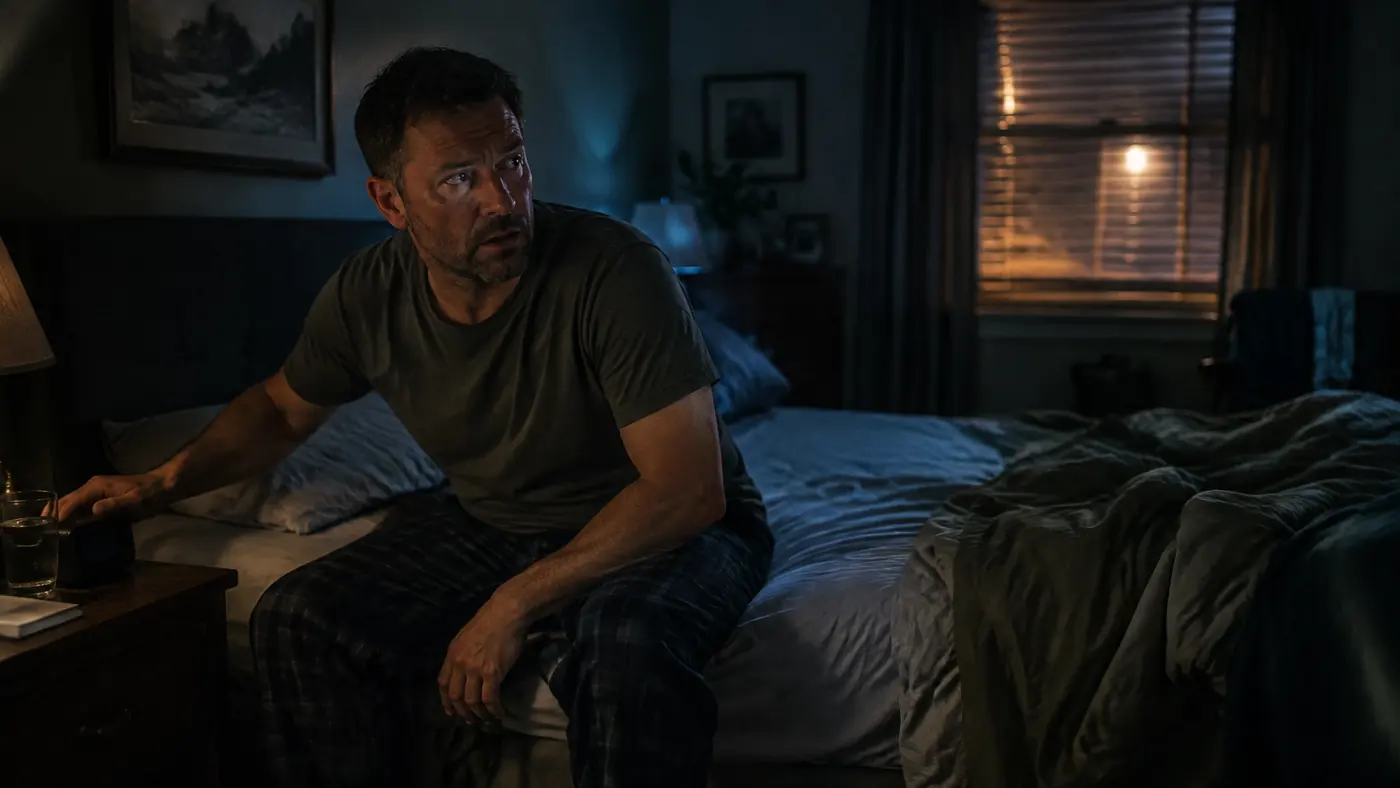
A 0200 wake-up doesn’t just hit you. It hits the whole house. Here’s what the VA says about why nightmares happen, what may help in the moment, and what to ask a provider about.
Why do PTSD nightmares happen?
Nightmares are one of the sleep problems associated with PTSD. The VA says they often replay the traumatic event. They can make it difficult to fall back asleep, and if a person kicks or screams during a nightmare, a bed partner can be affected too.
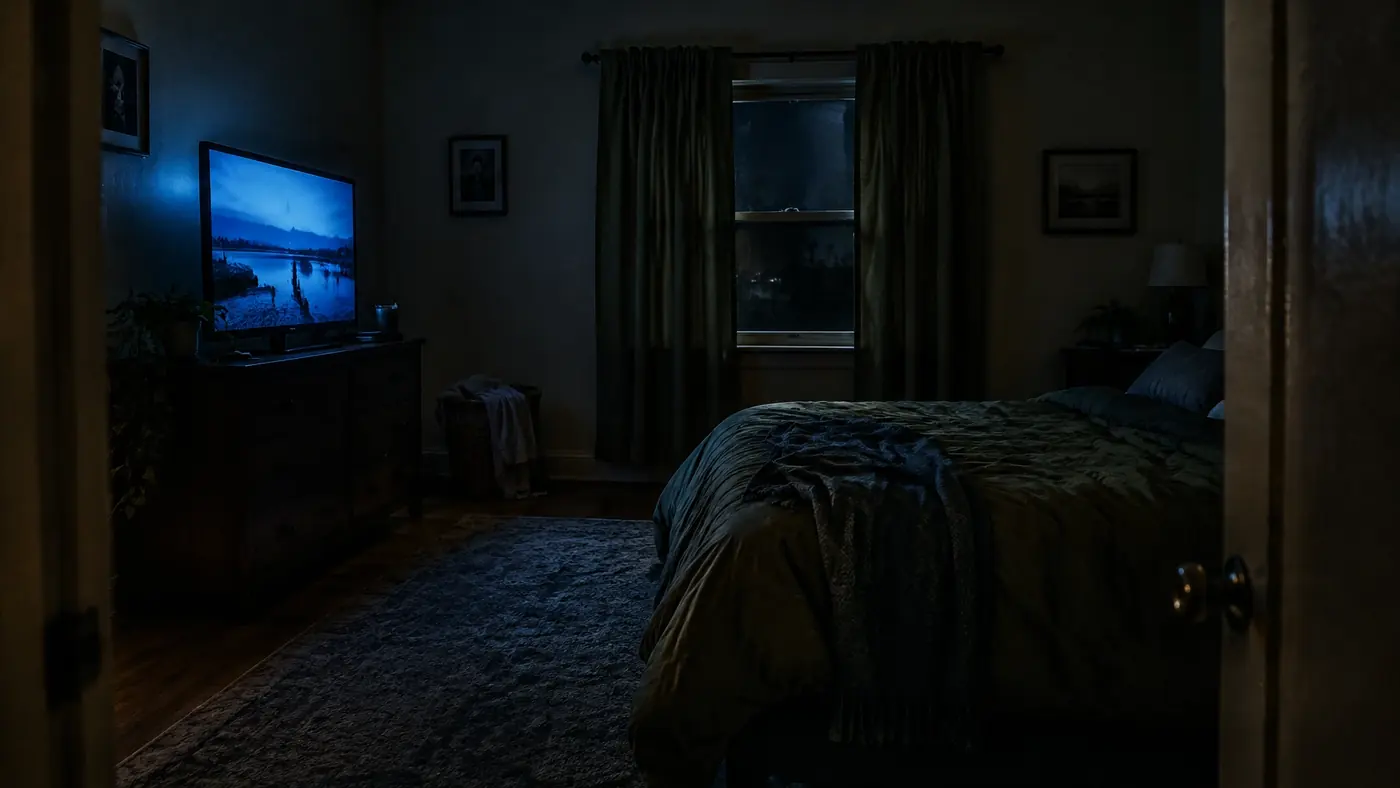
And here’s the part most people never connect: sleep can be hard before the nightmare even starts. The VA describes people who avoid going to bed because nightmares or flashbacks make sleep feel unsafe. Others stay on guard all night, or startle awake at every noise. Some leave the television on because silence itself feels wrong.
That TV habit makes sense if quiet is the enemy. But the VA notes that changes in light and sound disrupt the deepest, most needed level of sleep. And a body on alert doesn’t rest. It patrols. That’s the trade you’re making at midnight without deciding to.
So no — this isn’t a character flaw, and it isn’t something to shrug off. Nightmares and sleep problems are real symptoms. They show up on the VA’s own list for a reason.
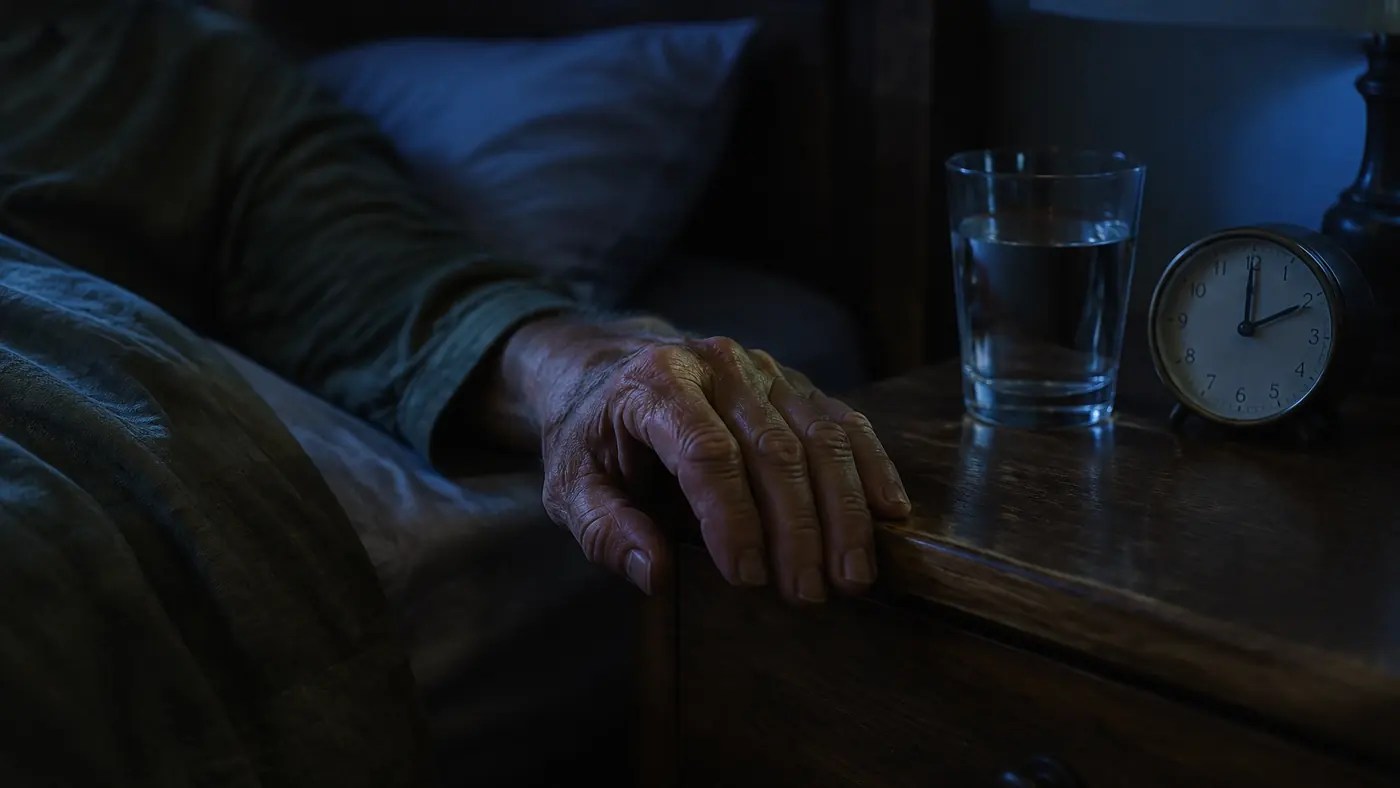
Are nightmares a sign of PTSD?
Nightmares are on the VA’s symptom list for PTSD. But one nightmare — or one bad week of them — does not diagnose anything. Trouble sleeping is common with PTSD, and plenty of other things wreck sleep too. A provider sorts out which is which.
The VA defines insomnia as having trouble falling or staying asleep at least three nights a week, for a few months or more, with enough impact to cause problems at work or home. If that sounds familiar, or your nights are affecting your day, it is reasonable to bring it up with a health care provider.
You don’t need to show up with the right label. You can say it plain: “I keep waking from nightmares.” “I’ve started dreading bedtime.” “I’m running on fumes and it’s showing at work.” The VA says to work with your provider on sleep-treatment options and decide what fits your needs.
What can I do about nightmares right now?
Nobody can guarantee you a trick that stops a nightmare mid-cycle. What you can do is reorient. Look around and name the ordinary: the door, the lamp, the floor under your feet. The grounding exercises in this article give you more options. These bring your attention back to the present. They are not a treatment for nightmares.
If you’re lying awake, look honestly at what’s feeding the problem. The VA’s sleep guidance suggests limiting caffeine before bedtime and adjusting the sleep environment — including the smartphone and the television in bed. If the TV stays on because silence is uncomfortable, that may be part of the picture. The VA notes that light and sound changes disrupt deep sleep.
And the hard one: don’t manage this with alcohol, marijuana, or other drugs. Plenty of people do — the VA says so itself. But the VA also says drug and alcohol use can have negative effects on sleep quality and overall health over time, and that using marijuana, alcohol, or street drugs to manage PTSD or sleep problems is related to a higher risk of suicidal thoughts and attempts. That trade isn’t worth it.
If you share a bed, it may help to talk about what is happening when you’re both awake and have some room to talk. The VA notes that bed partners can be affected by kicking or screaming during nightmares and may notice signs of sleep apnea. You can tell a provider what you or your partner has noticed; you do not have to figure out the cause on your own.
What treatments work for PTSD nightmares?
Here’s the part worth paying attention to. The VA calls Cognitive Behavioral Therapy for Insomnia, or CBT-I, the best treatment for insomnia — recommended over medication, with the research to back it and fewer side effects. CBT-I improves sleep in 7 out of 10 people who complete it. And research shows it reduces the number of nightmares people have, plus the distress that comes with the dreams.
CBT-I is a structured treatment focused on beliefs, feelings, and behaviors that affect sleep. A trained CBT-I therapist can provide it one-on-one or in a group. The VA says it usually lasts six sessions and can be done in person or through video appointments. It is not the same as sleep-hygiene tips, though those tips may be part of it.
The VA’s CBT-i Coach app is designed for people doing CBT-I with a health care provider. It is a support tool for that treatment, not a replacement for working with a provider.
Medication is a conversation for you and your provider, not something you start or stop because of an article. The VA says sleep medication is often recommended short-term only — 2 to 4 weeks — and usually gets less helpful over time without touching the core cause of the sleep problem. The VA also says benzodiazepines are not recommended for treating PTSD. Worth knowing before a prescription pad comes out.
It’s also worth asking whether another sleep problem could be involved. The VA says sleep apnea is common among people with PTSD, particularly veterans, and a bed partner may notice breathing pauses or snoring first. A provider may recommend a sleep study; treatment can include a CPAP device. The VA says research suggests CPAP may benefit PTSD treatment for people who have both PTSD and sleep apnea.

Where does Coach Jeff fit?
Coach Jeff is an AI companion made by MyBFF Coach — not a therapist, not a crisis line. He’s for the hours between: the 0200 wake-up, the rough night, the conversation you can have without starting from scratch. Talk to Coach Jeff.